
The MBAB Lab engages in multiple projects focused on solving challenges within the domains of human health, renewable energy, biomaterials, and the environment.
Funded Projects
PET degrading enzyme design by computational methods – CEDIA I+D+i Project – 2024.
Obtaining bacterial cellulose for pharmaceutical applications – CEDIA I+D+i Project – 2023.
Degradation of organic polymers by recombinant enzymes – CEPRA XVI Project – 2022.
Rational design of inhibitors with potential antiviral activity against the SARS-CoV-2 (COVID-19) – UTA DIDE Project – 2020-2021.
Formulation of biosanitizers from microbial surfactants for its application in the food industry – CEPRA XIII Project – 2019.
Research Focus
Plastic Waste Biodegradation
With an annual increase of ~3.6%, in 2021, more than 24 Mt of polyethylene terephthalate (PET) were manufactured worldwide. However, only 10 % of this material was recycled and the remaining 90 % accumulated in landfills or elsewhere in the environment. PET hydrolase (PETase) enzymes are promising strategy to depolymerise PET. Consequently, big efforts have been dedicated into the utilisation of these biomolecules to take advantage of their enormous capacity at the industrial scale.
Our research is focused on the improvement of PETase’s intrinsic qualities, including their thermostability and catalytic activity. To accomplish this goal, we employ a 3-D structure based approach combined with molecular dynamics to predict mutations that improve the degradation of highly crystalline PET found in commercial packing and bottles.
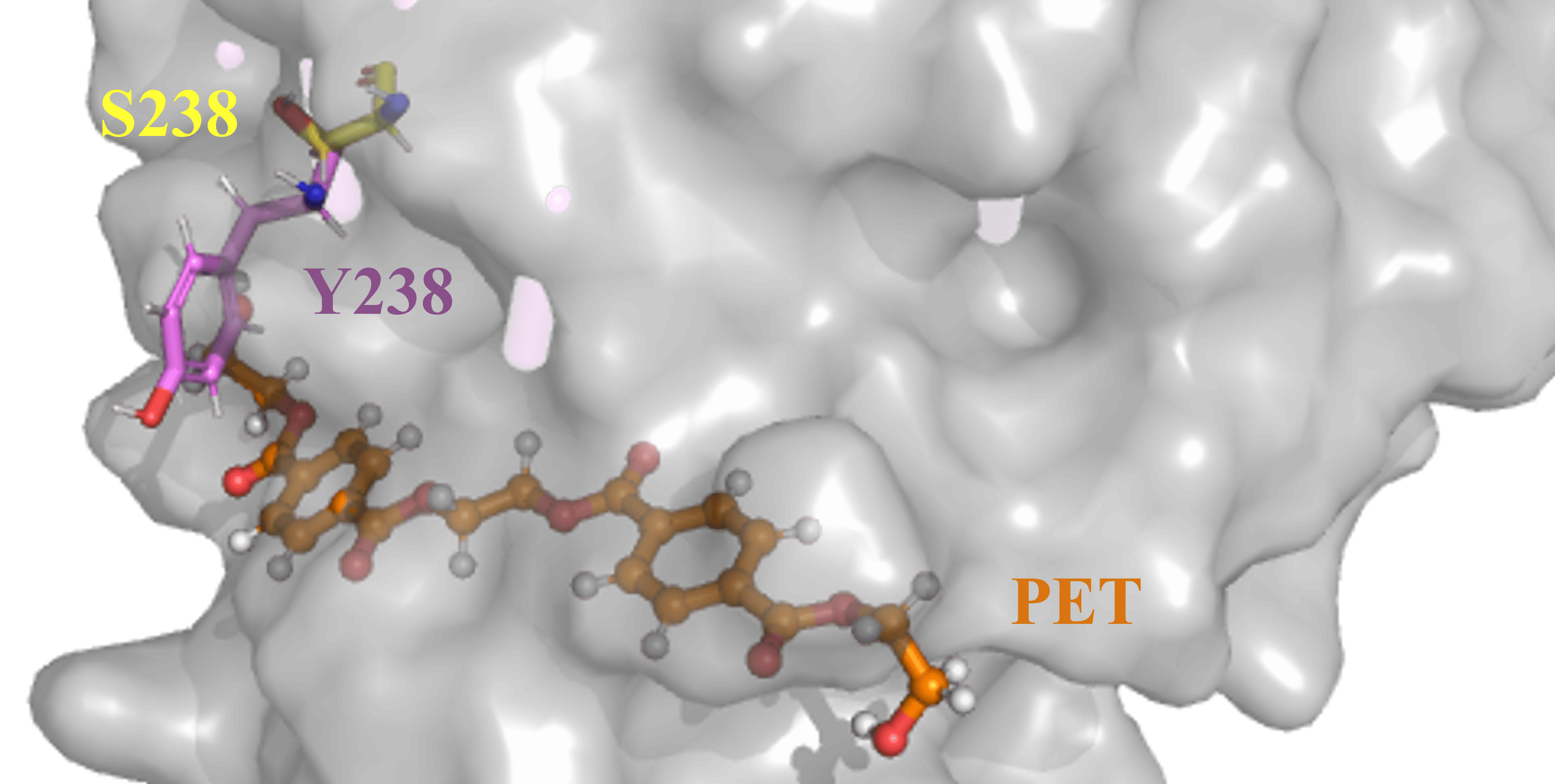
Interaction PET – S238Y PETase mutant
Enzymatic degradation of PET
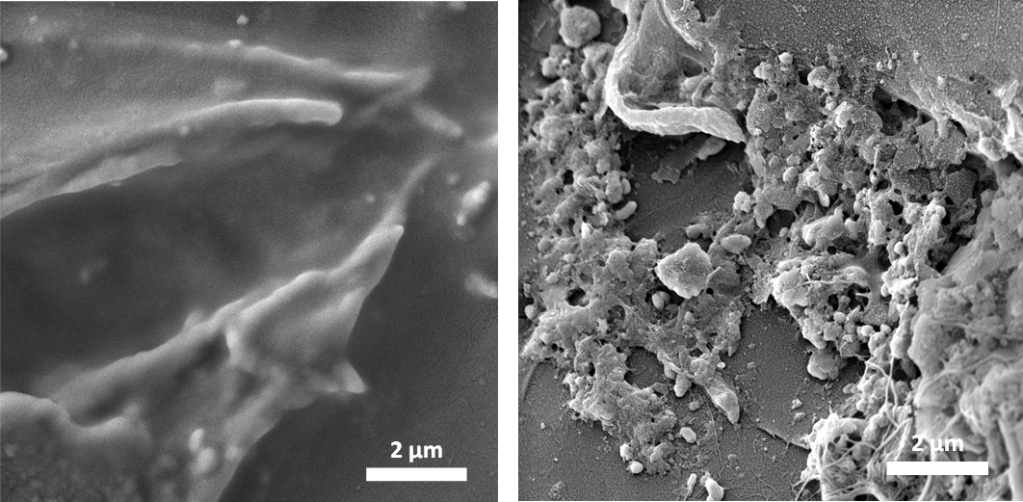
Wild-type PETase — Mutant PETase
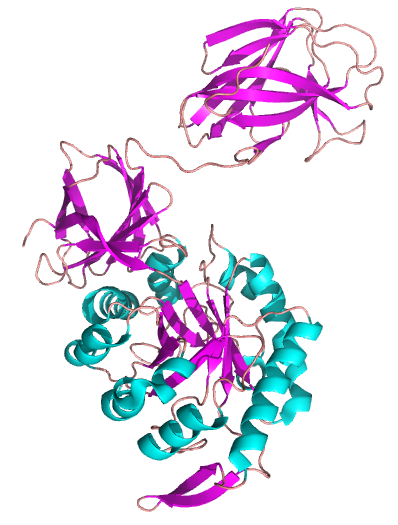
Structure of modular Xyn30D from Paenibacillus barcinonensis
Biocatalytic Production of Value-Added Chemicals from Biomass
Lignocellulosic biomass is a waste product in several industries, such as agro-industry, forestry, paper, amongst others. Despite its abundance, much of its potential remains untapped due to the challenges of depolymerizing lignocellulose into its structural monomers. To address this problem, biological approaches have emerged as a powerful tool capable of breaking down the lignocellulose structure in a effective and sustainable manner.
In this context, the use of specific enzymes, such as xylanases and cellulases, is proposed in order to speed up the degradation process, reduce processing costs and contribute to producing value-added chemicals while protecting the environment.
Applications of Bacterial Cellulose in Sustainable Manufacturing
Cellulose is one of the most widely traded products in the world and is obtained mainly from plants. However, plant cellulose lacks of some physical or chemical properties desirable for several industrial applications and its production faces expensive purification processes. As an alternative, the production of cellulose from acetic bacteria has been explored, although this technology has not been widely applied due to limitations associated to the production of bacterial cellulose at large scale and the high cost of growth media.
Our research focuses on developing new technologies for an affordable production of bacterial cellulose using agro-industrial biomass waste as carbon source for bacterial-cellulose-producers isolated in the MBAB Lab. On the other hand, we produce new biomaterials based on bacterial cellulose with applications in several different industries.
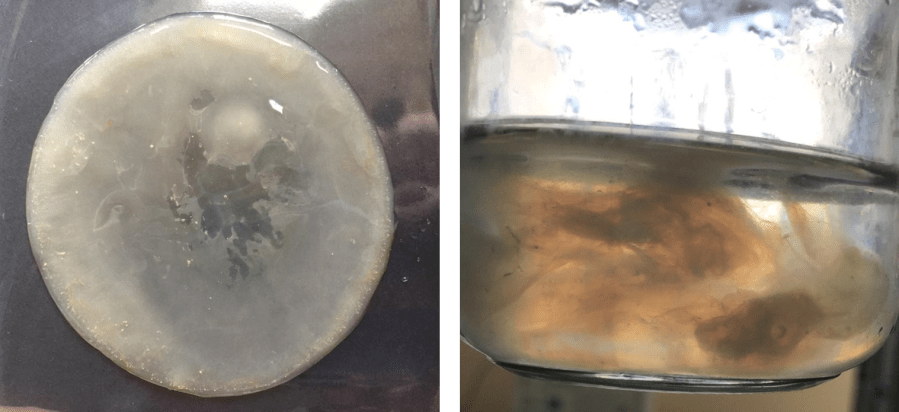
Bacterial cellulose
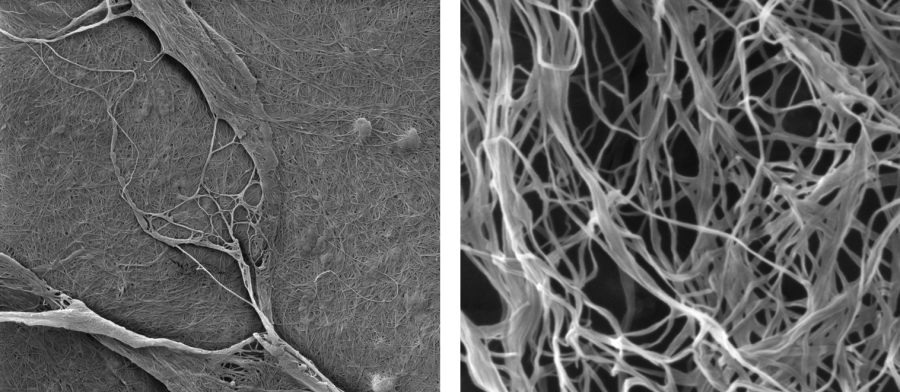
Bacterial cellulose at a microscale
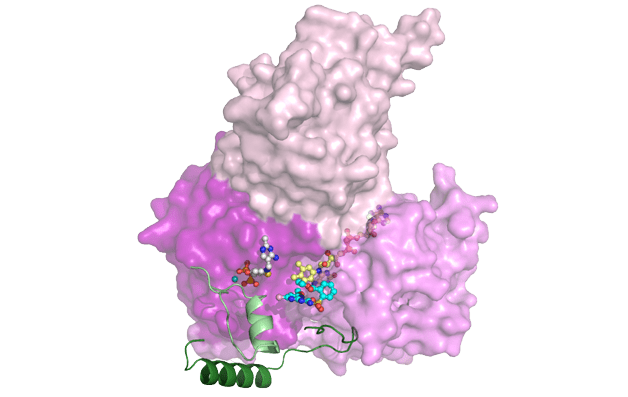
Candida albicans AHAS
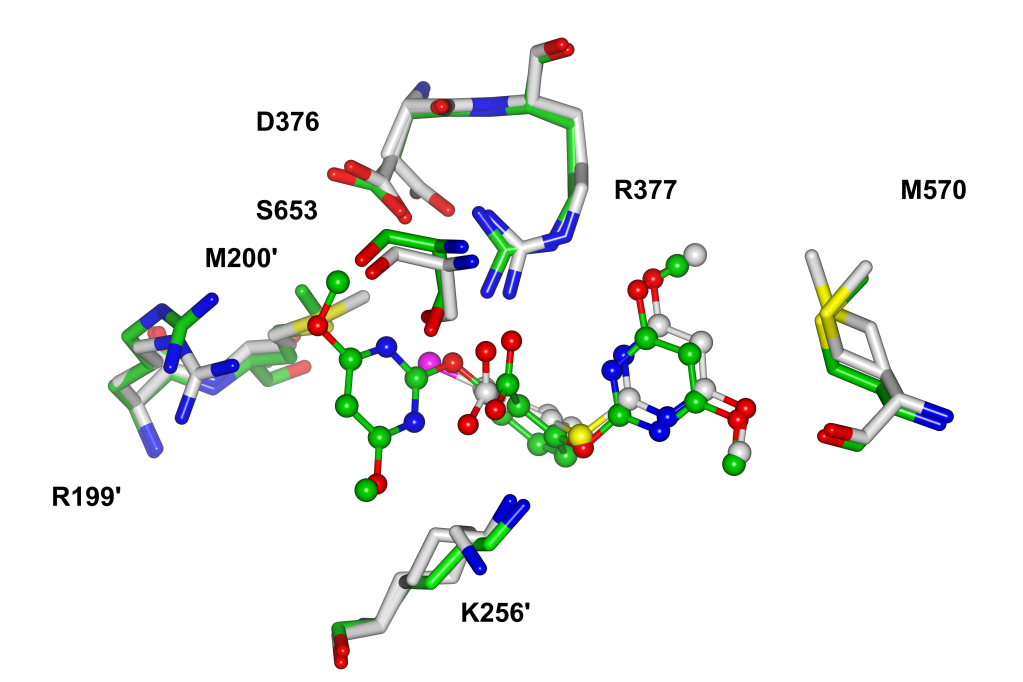
The herbicide binding pocket in plant AHAS
Enzymes in the Branched-Chain Amino Acids Biosynthetic Pathway
The Branched-Chain Amino Acids (BCAA) biosynthetic pathway is key for the growth and survival of plants and microorganisms. In fact, acetohydroxyacid synthase, the first enzyme of the BCAA pathway, is the target of more than 50 commercial herbicides used in modern crop management and has shown promising results for the treatment of acute fungal and bacterial infections. The other enzymes in the pathway also show great potential for the development of molecules with similar properties.
We direct our efforts to unravel the structure, mechanism and inhibition of the enzymes in the BCAA pathway.
Antimicrobial Peptides to combat antimicrobial drug resistance
Nowadays, there is a high prevalence of antibiotic resistance, which poses a threat to public health. Antimicrobial peptides (PAMs) are promising therapeutic agents able to elude the main mechanisms of antimicrobial resistance and offer a wide antibacterial spectrum.
We are at the forefront of developing new technologies that harness the power of bacterial cells to produce highly effective and affordable PAMs.
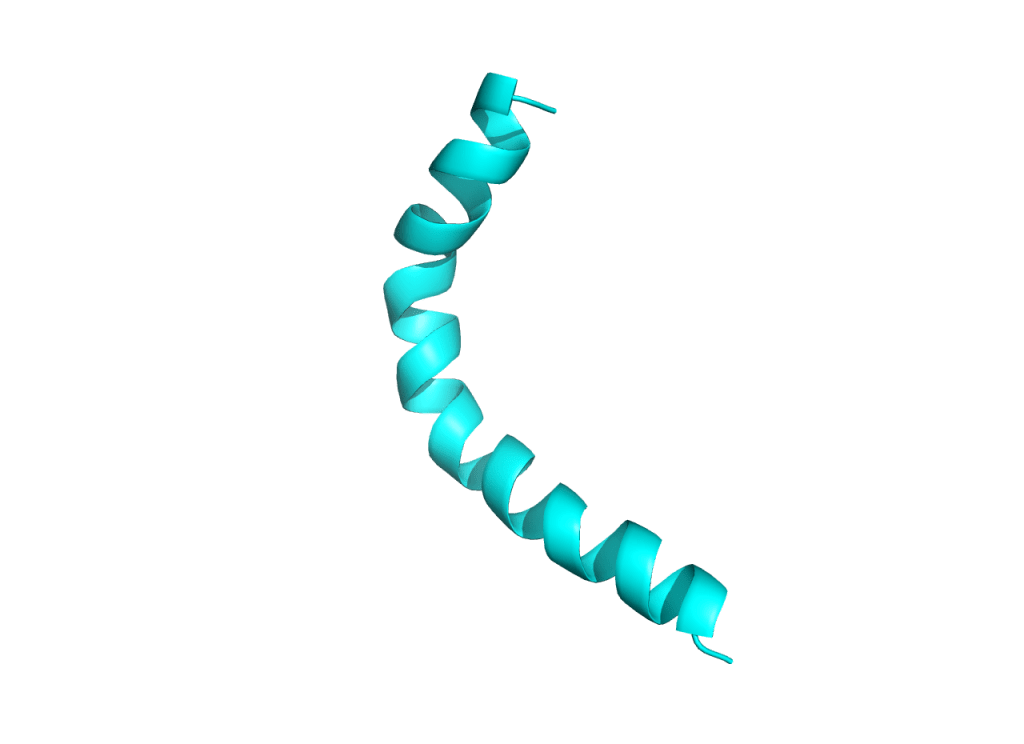
Aedes aegypti Cecropin
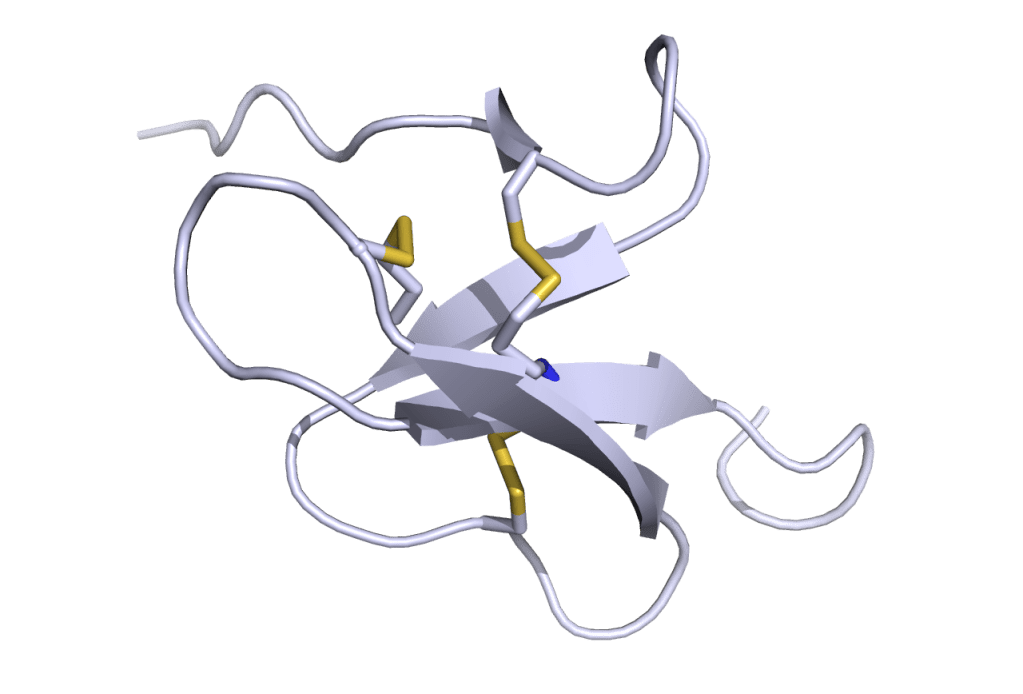
Human beta-defensin
 Molecular Biology and Applied Biotechnology Lab