
By: Oreo
From By-Products to Functional Foods
Can agricultural by-products become nutritionally superior functional foods? In our latest study, we show that the answer is yes — when biotechnology and fermentation are applied strategically.
We recently published a paper in CyTA – Journal of Food  describing the development of a high-protein, high-fiber fermented beverage formulated from amaranth flour, rice bran, and whey, using a two-step fermentation process that combines solid-state fermentation (SSF) and submerged fermentation (SmF).
Why Amaranth, Rice Bran and Whey?
Modern food systems generate large amounts of nutrient-rich by-products:
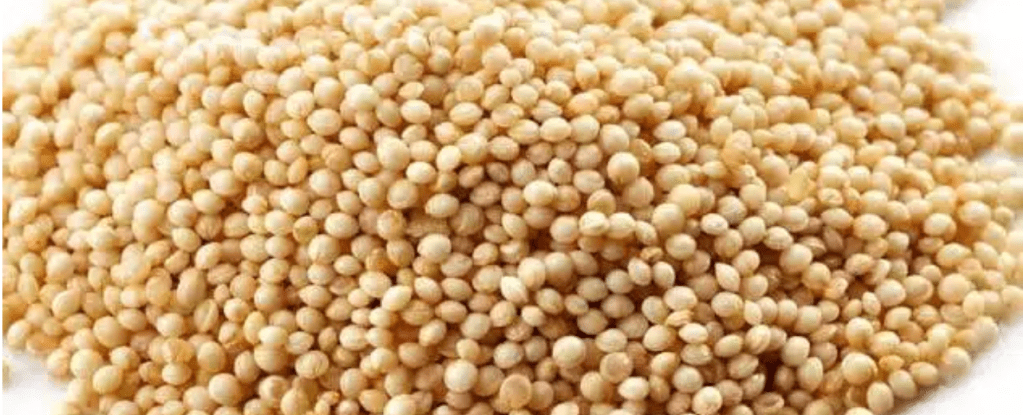
Amaranth, a pseudocereal, stands out for its balanced amino acid profile, especially lysine
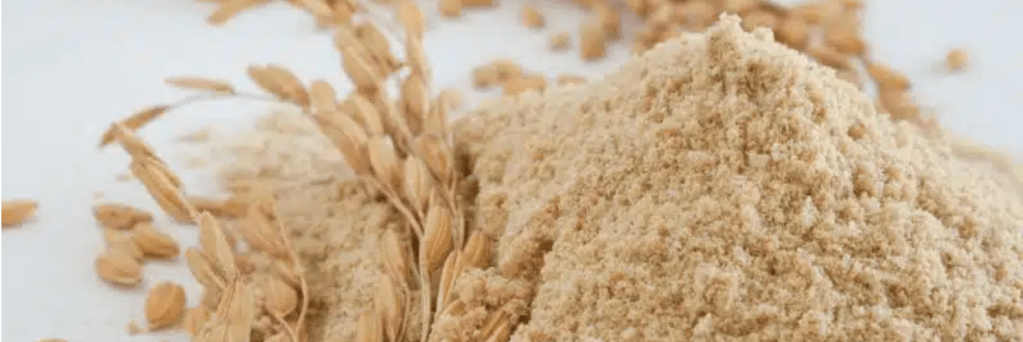
Rice bran, often underutilized, is rich in dietary fiber, lipids, and micronutrients
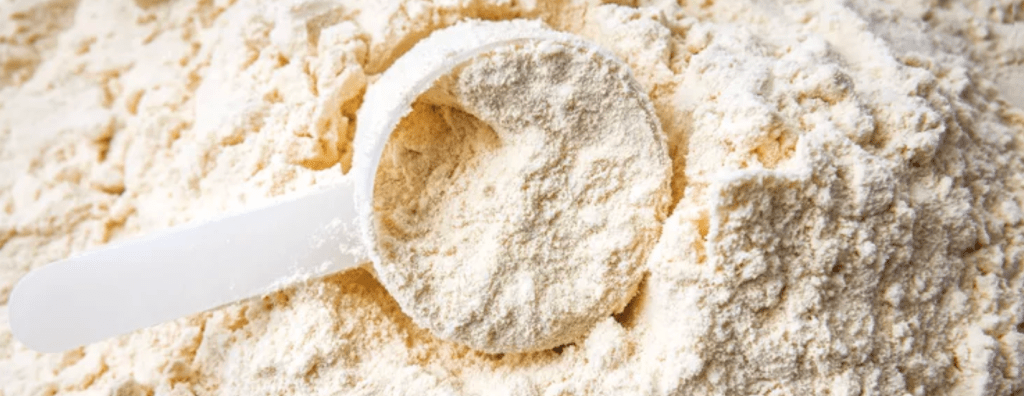
Whey, a major dairy by-product, contains high-quality proteins
However, directly using these ingredients in beverages is challenging due to their high starch content, lipid instability and poor sensory properties. Fermentation offers a biological solution to these limitations.
Our approach combined traditional fermentation principles with modern food biotechnology:
Solid-State Fermentation (SSF)
We first fermented mixtures of amaranth flour and rice bran using Aspergillus oryzae, a fungus widely used in Asian fermentations (e.g. miso, sake). This step accelerated substrate colonization, released fermentable sugar and improved nutrient bioavailability through enzymatic activity
Submerged Fermentation (SmF)
The fermented substrate was then combined with whey and fermented using lactic acid bacteria (Lacticaseibacillus paracasei and Lactobacillus delbrueckii). This second stage improved flavour and aroma, stabilized the beverage microbiologically and enhanced functional and sensory properties. The best formulation achieved remarkable nutritional values: 7.72% protein, 18.13% dietary fiber, balanced amino acid profile, including all essential amino acids and higher nutritional density than comparable commercial plant-based beverages. For comparison, many cereal-based drinks contain <2% protein and virtually no fiber. Beyond its high nutrition value, consumer acceptability matters. The fermented beverage showed improved aroma and flavour, acceptable acidity and no need for added flavourings. With a 29-day shelf-life, we showed the product is viable not only from a scientific standpoint, but also from a food technology and industrial perspective.
Why this matters?
This work connects directly to several global challenges:
- ♻️ Valorization of agri-food by-products
- 🥗 Development of functional, nutrient-dense foods
- 🌱 Sustainable food systems aligned with SDGs
- 🧬 Application of microbial biotechnology to real-world problems
At MBAB Lab, we see fermentation not as an old technology, but as a platform for innovation — capable of transforming low-value residues into high-impact products. If you are interested in the full experimental design, fermentation kinetics, amino acid and fatty acid profiles, and sensory analysis, you can read the open-access article here:
Escobar, A., Garcia, M. D., Cadena, S., Núñez-Villacís, L., Valencia, A., Arancibia, M., & Cerda-Mejía, L. (2025). Development of a high protein and fiber beverage based on amaranth, rice bran and whey using solid-state and submerged fermentation. CyTA – Journal of Food, 23(1). https://doi.org/10.1080/19476337.2025.2599595
 Molecular Biology and Applied Biotechnology Lab